Good observations when moving off
Moving off safely is not a fixed head-turning routine. The checks need to match the situation and be repeated if anything changes before the car moves.
Practical advice from me on learning to drive, test preparation, local roads and life after passing.
 Guide
Moving off safely is not a fixed head-turning routine. The checks need to match the situation and be repeated if anything changes before the car moves.
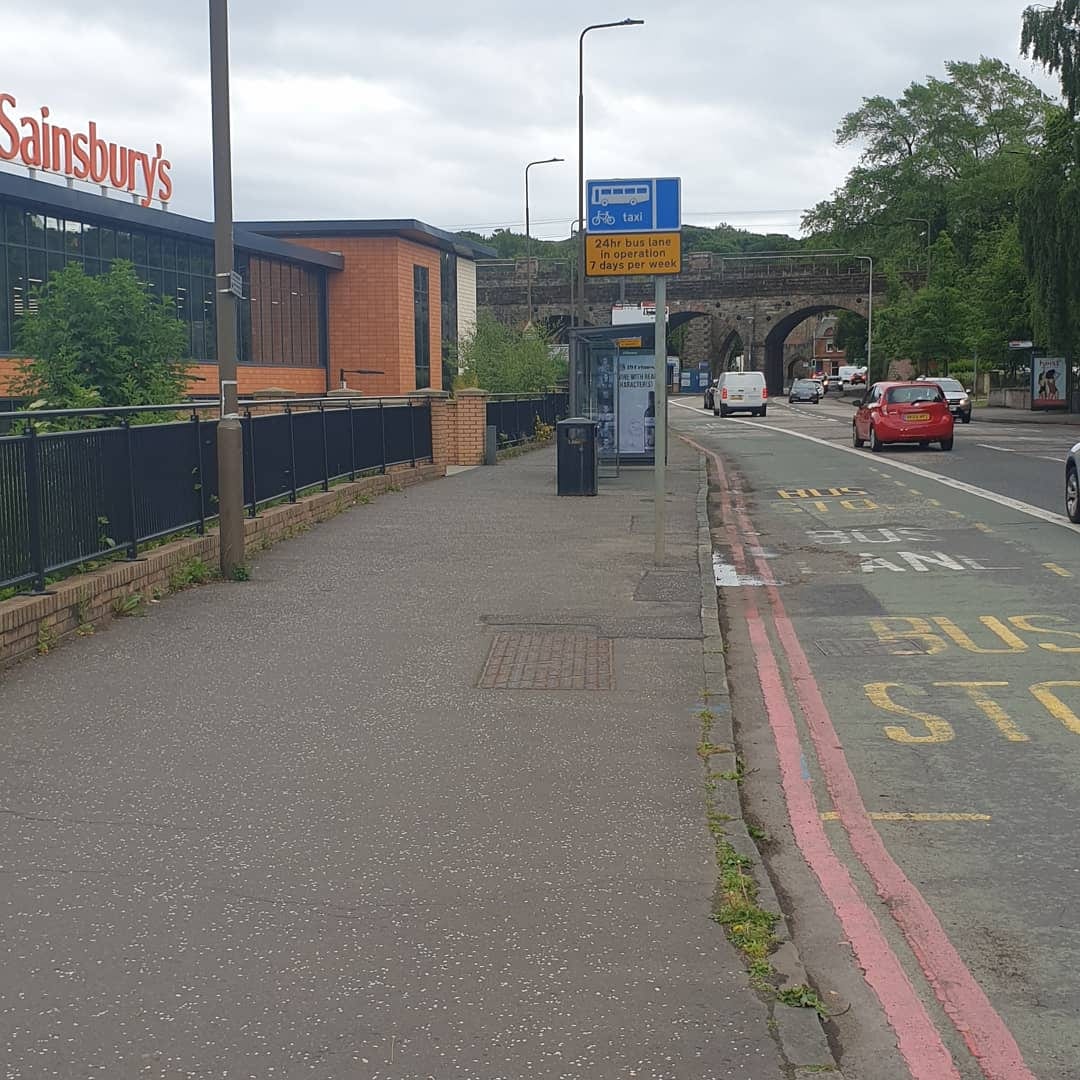 Local Driving Tip
Edinburgh’s bus lanes do not all operate at the same times. Learn what to look for on the signs, when you may use a bus lane and why good lane positioning matters on your driving test.
 Quick Tip
Checking your mirrors before moving off is a small habit that makes a big difference. It helps you understand what is around you before the car starts to move.
 Guide
Clutch control, gears and muscle memory become easier when you focus on a few repeatable habits rather than trying to understand every mechanical detail.
 Guide
Currie combines residential roads, faster sections and roads where judgement matters more than memorising a route.
 Guide
Before paying for lessons, make sure the person teaching you is legitimately entitled to charge for instruction.
 Guide
You can begin building road awareness before you ever sit in the driver seat by observing traffic, junctions and the way an experienced driver plans ahead.
 Guide
Good driving is less about perfection and more about awareness, planning, patience and making decisions that create space for mistakes by other road users.
 Guide
Nerves are normal. Test-day preparation is about reducing avoidable stress so the driving habits you already built can come through.
 Guide
Driving-test availability can change quickly. Use official booking channels and be cautious about anyone asking for inflated payments to secure a test slot.
 Guide
Energy-efficient driving comes from planning ahead, avoiding unnecessary acceleration and using momentum sensibly without compromising safety or control.
 Guide
A good instructor should be happy to answer practical questions about qualifications, pricing, cancellations, lateness and use of the tuition car for your test.
 Guide
Sort the basics first: provisional licence, eyesight, realistic availability and a clear idea of what you need from an instructor.
Guide
Driver-assistance systems are developing quickly, but drivers still need to understand their limits, stay attentive and take responsibility for safe decisions.
Guide
Bring the correct licence when requested, wear comfortable clothing and choose footwear that gives you good pedal feel and control.
Guide
A first car is exciting, but the boring checks matter: insurance, tax, MOT status where applicable, ownership documents and the condition of the vehicle.
 Guide
Intensive tuition can suit an experienced learner with time and concentration available, but it is not automatically faster or better for a complete beginner.
Guide
Signals should communicate useful information to other road users, not become an automatic ritual disconnected from observation.
Guide
Small habits can make driving calmer: plan ahead, avoid reacting aggressively to other road users and create enough space to deal with mistakes safely.
Guide
After a stroke or major injury, returning to driving may involve medical and licensing requirements. Check official guidance and speak to your healthcare professional first.
Guide
This article described temporary lesson and test arrangements during the Covid-19 pandemic. It is retained only so old links continue to resolve.
For quick driving tips, local updates and day-to-day posts, follow Be A Good Driver on Instagram.